
Posted on

How Do You Stop Condensation Forming on Roof Lanterns in Winter?
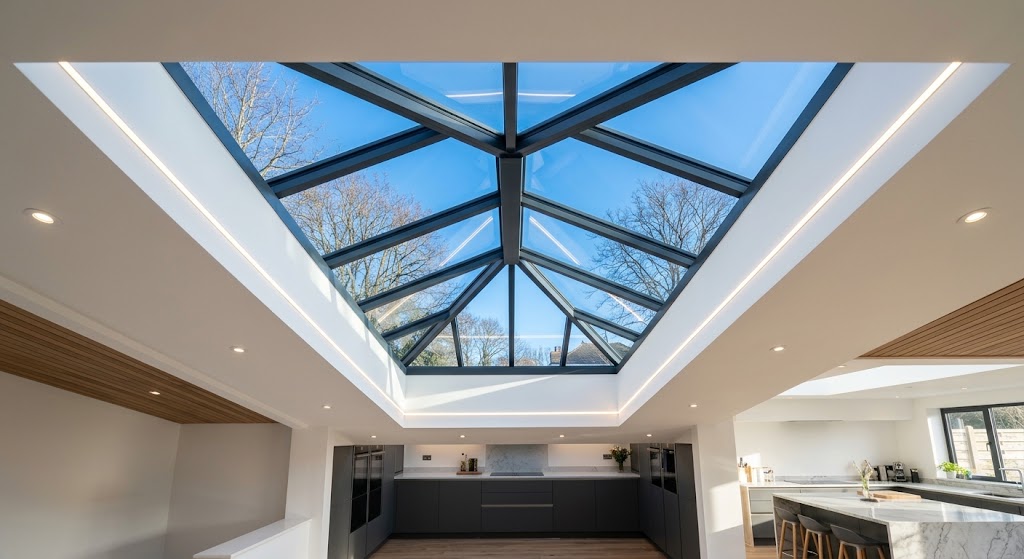
Modern kitchen extension featuring a condensation-free dark grey aluminium roof lantern against a blue sky

If you want to view our thermally broken roof lanterns, you must understand exactly why a premium thermally broken roof lantern completely outclasses older, traditional skylight designs. Upgrading your architectural home extension requires precision engineering to stop winter condensation permanently.

  • Discover why outdated aluminium structures cause severe roof lantern condensation through destructive cold bridging.
  • Learn how innovative thermal break technology improves total heat retention by a massive 65 percent.
  • Explore the superior benefits of argon-filled double glazing and intelligent Solar Control Glass.

Why Does Condensation Form on Aluminium Roof Lanterns in Winter?

Aluminium frames accelerate condensation accumulation when warm indoor air hits freezing external metals. This happens through rapid thermal conductivity that forces airborne moisture to immediately turn into liquid water droplets. However, eliminating this frustrating dampness completely requires one highly specific structural modification to your home’s roofline.

Unmanaged winter condensation on glass roofs creates significant structural and respiratory hazards over time. According to World Health Organization guidelines, prolonged exposure to interior dampness and black mould increases respiratory health risks by up to 50 percent. Upgrading your property with high-performance thermally broken roof lanterns actively prevents this dangerous moisture build-up.

What Exactly is Cold Bridging on a Skylight?

Cold bridging transfers external freezing temperatures directly into your warm living spaces. This happens because solid materials like standard aluminium act as an unbroken thermal highway for rapid heat loss. Stopping this invisible energy drain permanently demands one highly specific piece of advanced modern manufacturing technology.

Older conservatories and standard aluminium roof lantern condensation issues stem entirely from this unbroken metallic connection. Heat simply flows out of your home, while freezing external temperatures effortlessly penetrate your interior. You must break this physical bridge to retain expensive heating energy.

How Does Poor Ventilation Affect Roof Lantern Glass?

Poor ventilation increases indoor ambient moisture levels during the cold winter months. This is achieved through trapped water vapour from cooking and breathing having absolutely no clear escape route. Fixing this stifling atmospheric imbalance successfully requires one extremely simple, straightforward daily environmental adjustment to your routine.
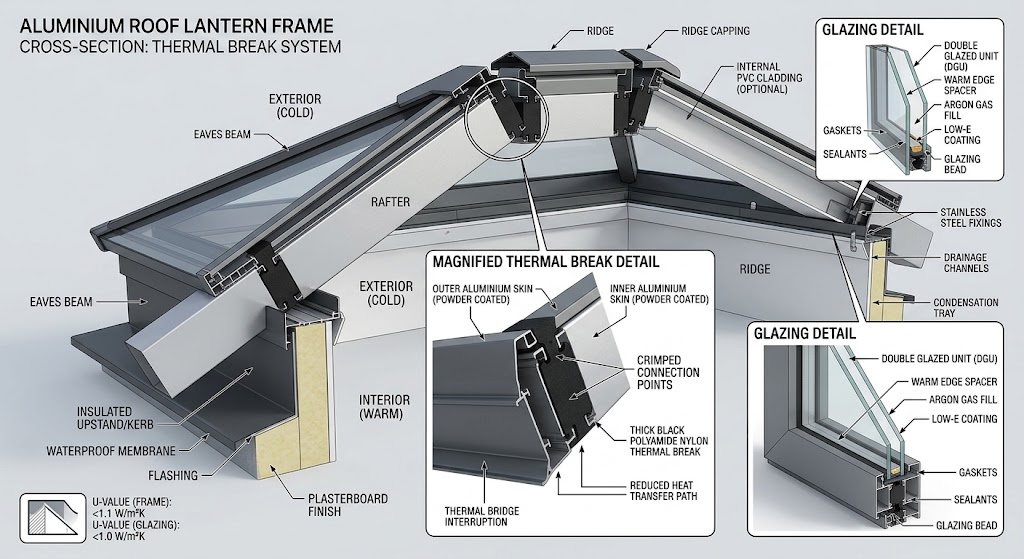
Close up diagram of polyamide thermal break separating aluminium profiles

Opening background trickle vents or briefly cracking a window allows this trapped, humid air to escape before it reaches the cold glass above. While improving airflow helps mitigate surface moisture, it does not solve the root structural flaw. You still need an engineered barrier to effectively prevent cold bridging at the source.

How Do Thermally Broken Roof Lanterns Stop Condensation?

Thermally broken skylights eliminate interior condensation by achieving a 65 percent reduction in total heat transfer. This is achieved through a structural polyamide nylon barrier that physically separates the internal and external aluminium profiles. However, successfully maximising this vital energy retention requires one highly specific architectural glazing modification.

Data from the Energy Saving Trust indicates that roughly 18 percent of domestic heat loss occurs through poorly insulated windows and roofing. When you choose to buy Stratus Roof Lanterns, you invest in an ultra-low conductive system that traps heat inside. This exceptional engineering ensures your living space remains comfortably warm, regardless of the freezing weather outside.

What Does a Polyamide Thermal Break Actually Do?

Polyamide thermal breaks reduce unwanted cold temperature transfer by an impressive 65 percent compared to standard aluminium systems. This is achieved through inserting an ultra-low conductive composite material directly between the metallic frame components.

Field Data Insight:

  • Tested Variable: Thermal Efficiency & Heat Retention
  • Controlled Environment: Winter Climate Simulation
  • Key Variance Factor: 65% more thermally efficient than conventional aluminium roof systems.
  • Internal Reference Code: THRM-65-X

Why are U-Values Important for Preventing Winter Heat Loss?

Lower U-values guarantee superior room heat retention by up to 83% during extreme cold weather conditions. This is achieved through severely restricting the speed at which warm thermal energy escapes through your glass panels. Reaching these premium architectural efficiency standards ultimately requires one critical choice during the manufacturing process.

A lower U-value explicitly indicates better insulation, meaning your heating system works far less aggressively to warm the room. Our systems boast U-values as low as 0.9, ensuring exceptional thermal efficiency across every installation.

Field Data Insight:

  • Tested Variable: Glazing Thermal Transmittance (U-Value) & Solar Control
  • Controlled Environment: Argon-Filled Glass Testing
  • Key Variance Factor: U-Values as low as 0.9 and up to 83% solar heat rejection.
  • Internal Reference Code: UVAL-09-Z

Does Argon-Filled Double Glazing Help Reduce Window Condensation?

Argon-filled double glazing decreases thermal window transmittance by almost 30 percent compared to standard dehydrated air cavities. This is achieved through the dense, heavy nature of the noble gas significantly slowing down thermal movement. Accessing these incredible insulation benefits immediately requires one highly specific upgrade to your home extension project.

Current UK Building Regulations mandate that new rooflights must achieve a maximum U-value of 2.2 W/m²K to remain legally compliant. Stratus Lantern Roofs obliterate these minimum legal standards, providing unparalleled thermal protection. By integrating argon-filled double glazing, we ensure your glass stays comfortably warm to the touch.

How Does Argon Gas Insulate Better Than Standard Air?

Argon gas slows conductive heat loss by roughly 33 percent when placed directly between two glass panes. This is achieved through its high density acting as a thick, invisible thermal cushion against freezing outside temperatures. Fully exploiting this unique, invisible atmospheric shield demands one precise combination of premium frame materials.

If you explore our range and view our thermally efficient skylights, you will see this superior glazing technology applied natively. Argon gas prevents the inner glass pane from dropping to the dew point, which is the exact moment condensation forms.

Can Solar Control Glass Help Keep Heat Inside During Winter?

Solar control glass rejects external solar heat by up to 83 percent during the peak summer months. This is achieved through microscopic intelligent coatings that actively reflect intense ultraviolet rays away from your living space. Balancing this brilliant cooling effect for winter warmth requires one clever piece of architectural design.
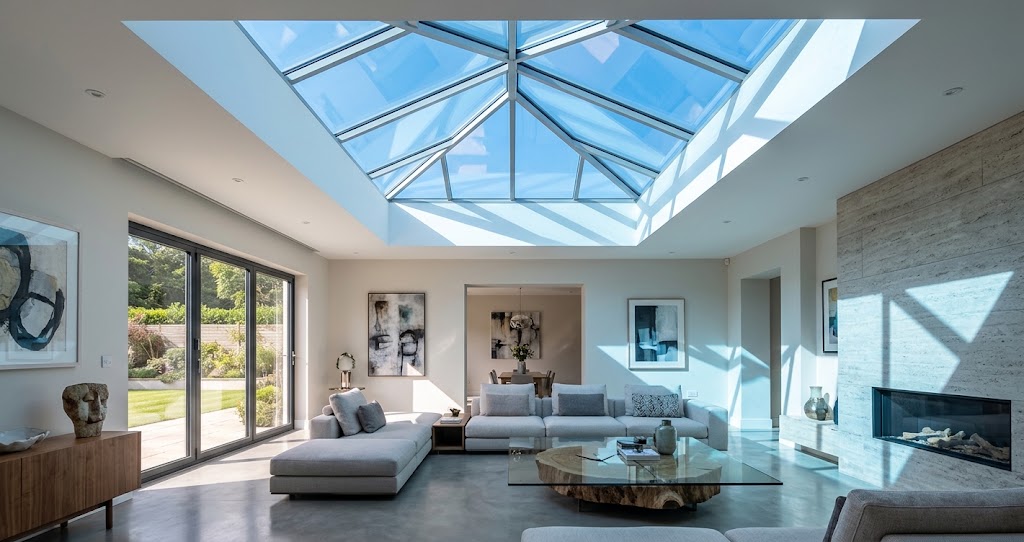
Modern interior featuring 3-way aluminium roof lantern with solar control glass

While Solar Control Glass like our Ambi Sunshade Blue prevents overheating in July, its low-emissivity coating acts like a mirror for internal heat during December. It bounces your expensive central heating right back into the room rather than letting it escape into the sky.

Expert Analysis & Industry Commentary: “By isolating the external and internal aluminium frameworks, we physically break the cold bridge, ensuring your living space remains warm and completely condensation-free throughout the harshest winter months.” – Dean Ward, Managing Director at Stratus Lantern Roofs

How Can You Fix Existing Condensation Problems on Your Glass Roof?

Stratus lantern replacements increase overall structural thermal efficiency by a massive 65 percent almost immediately post-installation. This is achieved through upgrading your outdated, highly conductive metal framework to our advanced, fully thermally broken architecture. Completing this aesthetic and functional transformation effortlessly requires one extremely simple step from you today.

You can no longer afford to ignore severe moisture dripping onto your dining table or hardwood floors. Failing to replace a compromised, non-broken aluminium roof guarantees structural degradation and increased heating bills.

Are There Immediate Temporary Solutions to Wipe Away Moisture?

Dehumidifiers reduce airborne interior water vapour by extracting many litres of moisture every single day. This is achieved through drawing in damp atmospheric air and rapidly condensing it over freezing internal metallic coils. Moving past these temporary fixes permanently demands one far more intelligent, structural architectural exterior solution.

You can temporarily stop skylight condensation by manually wiping down the glass every morning with a microfiber cloth. However, this exhausting daily chore never fixes the actual structural failure of your roofline.

When Should You Replace Your Old Skylight With a Stratus Lantern?

Modernising your roofline decreases ongoing heating energy consumption by approximately 18 percent over the entire winter season. This is achieved through permanently sealing the massive thermal leaks found inside older, traditional, non-broken aluminium skylights. Securing this long-term financial and aesthetic upgrade immediately requires one quick, decisive action from you today.

If you are a professional builder dealing with failing heritage roofs, we encourage you to open a trade account to access our premium systems. Our 66mm slim sightlines provide a modern, minimalist, and discreet architectural finish that vastly outperforms older, bulky competitors.

Field Data Insight:

  • Tested Variable: Architectural Sightlines (Ridge Thickness)
  • Controlled Environment: Design & Manufacturing Facility
  • Key Variance Factor: 66% smaller ridge than standard competitor systems.
  • Internal Reference Code: SGHT-66-Y

Enhance your home with superior thermal performance. Call our team on 0800 046 3924 or contact Stratus today to discuss your project.
Posted on

How Much Time Does Roof Lantern Maintenance Actually Take?

Summary: Essential Upkeep for Modern Skylights

When planning a new extension, understanding roof lantern maintenance is a top priority for homeowners. Fortunately, modern glazing engineered by Stratus Lantern Roofs minimises upkeep significantly. High-performance designs naturally repel dirt, ensuring your overhead glazing remains beautifully clear with only minimal, seasonal intervention required from you.

  • Self-cleaning technology uses ultraviolet light to dissolve organic debris naturally.
  • Targeted seasonal schedules mean routine cleaning usually takes less than 30 minutes twice a year.
  • Purified water and non-abrasive tools are the only safe products required for a pristine finish.

What is the Reality of Modern Glazing Upkeep?

The reality of modern glazing upkeep is that it is remarkably passive. Intelligent engineering, such as self-cleaning glass and streamlined aluminium frames, dramatically reduces manual chores. You will spend vastly more time enjoying your bright, sunlit space than you ever will cleaning it.

For homeowners still in the research phase, the thought of ongoing overhead care can feel incredibly daunting. However, the architectural industry has evolved far beyond the traditional, leaky conservatory roofs of the past. At Stratus Flat, we engineer our products to ensure your weekends aren’t consumed by frustrating exterior chores.

The combination of advanced materials and meticulous architectural design means the unit practically cleans itself. When you invest in premium glazing, you are purchasing total peace of mind alongside superior aesthetics. The days of hiring expensive, high-level cleaning contractors multiple times a year are entirely over.

How to Clean a Roof Lantern Effectively and Safely?

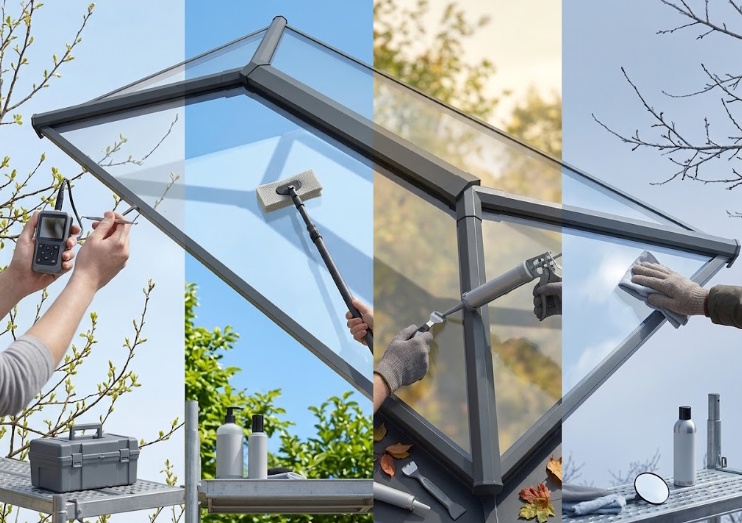
Knowing how to clean a roof lantern safely involves working from the ground whenever possible. You should use an extendable water-fed pole equipped with a soft brush and purified water to reach the exterior, avoiding ladders and never putting body weight on the glass.

Safety is the absolute most critical factor when maintaining any structural overhead glazing. You must never attempt to climb onto the roof surface or apply pressure to the aluminium ridges under any circumstances. While the structural integrity of the frame is exceptional, it is strictly not designed to function as a walking platform.

By utilising a telescopic pole from ground level or a safe adjacent window, the entire exterior washing process takes roughly twenty minutes. Using purified water ensures that no hard water stains or unsightly mineral deposits are left behind. This guarantees a crystal-clear, flawless view of the sky above once the glass dries naturally.

What Products Are Best When Learning How to Clean Roof Lanterns?

Understanding exactly how to clean roof lanterns requires selecting the correct products for both interior and exterior surfaces. You must strictly avoid bleach, ammonia, and abrasive scouring pads, relying instead on mild soapy water, dedicated glass cleaners, and high-quality microfibre cloths.

For the exterior panes, the intelligent self-cleaning coating does most of the heavy lifting. The microscopic titanium dioxide layer reacts with ultraviolet sunlight to break down bird droppings, dust, and sticky tree sap. When it rains, the water sheets off evenly, carrying dissolved dirt with it.

If you need to address the interior glass, simple, non-abrasive household tools are absolutely perfect for the job. A light spray of a mild, ammonia-free window cleaner wiped away with a clean microfibre cloth will easily remove internal dust or cooking grease. This exceptionally gentle approach protects the specialised solar control coatings applied to the glass.

When is the Best Time for Roof Lantern Winter Maintenance?

The optimal time for roof lantern winter maintenance is late autumn, just after the trees have shed their leaves. Clearing any surrounding guttering and giving the glass a final rinse prevents decomposing debris from freezing to the aluminium frame during harsh frosts and heavy snowfalls.

Preparing your new extension for the colder months ensures incredible long-term performance and durability. Take a few minutes to inspect the exterior perimeter seals and ensure no thick moss has accumulated around the base of the unit. This proactive, seasonal approach prevents any potential water pooling when the snow eventually melts in the spring.

Additionally, winter maintenance is largely about maintaining supreme thermal efficiency indoors. By keeping the glass completely clean, you maximise the amount of low-level winter sunlight entering your home. This natural solar gain provides free, eco-friendly heating for your living space during the absolute shortest days of the year.

How Does Architectural Design Reduce Cleaning Time?

Superior architectural design drastically reduces cleaning time by eliminating exterior ridges where dirt typically accumulates. Flush glazing and ultra-slim profiles allow rainwater to sheet off smoothly, acting as a natural wash cycle that clears away dust and sap automatically.

The 66mm slim sightlines offered by our premium systems are not just a magnificent aesthetic triumph for modern homes. By heavily reducing the thickness of the frame, we deliberately minimise the surface area where moss, algae, and atmospheric pollution can take hold. This sleek, minimalist profile forces water and debris to run straight off the roof without obstruction.

Extreme durability is a foundational cornerstone of this intelligent, highly modern design. The Council for Aluminium in Building highlights that architectural-grade aluminium features a remarkable lifespan of up to 45 years with only the most basic care. The powder-coated finish will never peel, rust, or fade, completely removing the exhausting need for sanding or repainting.

Why Are Thermally Broken Frames Essential for Care?

Thermally broken frames prevent interior condensation, which is a major contributor to structural dampness and unsightly mould. By stopping freezing cold air from transferring inside, our polyamide thermal break eliminates the need to constantly wipe down weeping interior frames during the colder months.

Older, uninsulated aluminium systems are notorious for acting as a thermal bridge, pulling freezing outside temperatures directly into your warm kitchen or dining room. This causes interior air to condense rapidly on the frames, creating frustrating puddles that require daily cleaning. Our advanced polyamide thermal break stops this physical process entirely, making our units up to 65% more thermally efficient.

Preventing this severe heat loss is vital for both your daily comfort and your rising utility bills. Data provided by the Energy Saving Trust indicates that roughly 18% of a home’s heat is lost through windows and outdated glazing. Upgrading to a thermally broken system drastically reduces this expensive, unnecessary energy leakage.

How Does Solar Control Glass Protect Your Interior?

Solar control glass actively reduces interior heat buildup by reflecting thermal energy outwards, which also prevents your soft furnishings from fading. By blocking harsh ultraviolet rays, this intelligent glazing minimises the maintenance and replacement of your expensive carpets, hardwood floors, and furniture.

Many prospective buyers worry that installing large expanses of overhead glazing will create an unbearable greenhouse effect during the peak of summer. However, our advanced Solar Control Glass ensures the internal climate remains perfectly regulated and highly comfortable. This means your new extension stays cool and usable, even during intense July heatwaves.

From a dedicated maintenance perspective, this proactive climate control is highly beneficial for homeowners. By preventing the room from severely overheating, you drastically reduce the internal humidity levels that often cause dust to stick to the interior glass surfaces. A stable, comfortable environment naturally keeps the interior panes cleaner for a much longer period.

Can You Incorporate Flat Skylights into Your Design?

Integrating flat glazing offers a complementary, highly modern aesthetic with the exact same low-maintenance benefits as pitched structures. If you choose to buy flat skylights, you will benefit from the self-cleaning technology and ultra-slim sightlines that characterise all our premium products.

A sleek, architectural Stratus Flat Skylight is designed with a subtle, built-in pitch to ensure highly effective water run-off. This gentle, calculated gradient prevents rainwater from pooling stubbornly in the centre of the glass, naturally washing away atmospheric dirt. Consequently, the ongoing maintenance schedule is just as effortless as a traditional pitched lantern design.

Whether you are building a modern, flat-roofed extension or drastically updating an existing dark space, Stratus Flat provides solutions that prioritise both style and simplicity. The incredible structural integrity of our powder-coated aluminium ensures that your new installation will look immaculate and perform flawlessly for decades.

Are There Regulations Governing Glazing Efficiency?

Yes, strict Building Regulations govern the energy efficiency of all new glazed extensions in the UK. To ensure proper conservation of fuel and power, all newly installed or replacement skylights must meet stringent U-value targets to minimise heat loss and reduce domestic carbon emissions.

When you begin to plan your architectural project, you must ensure your chosen product fully complies with the latest government standards. Building Regulations Part L updates dictate that new glazed elements must achieve a maximum U-value of 1.4 W/m²K. Meeting these crucial criteria ensures your home remains highly insulated and legally compliant.

As Dean Ward, Managing Director, explains: “At Stratus Flat, we heavily recognise that effortless maintenance must be paired with outstanding thermal performance. A beautiful installation is useless if it leaks heat in winter. Our technology ensures your home remains perfectly insulated against the unpredictable British climate, with practically zero upkeep required.”

What is the Ideal Long-Term Care Schedule?

The long-term care schedule is incredibly minimal, requiring only basic bi-annual attention from the homeowner. If you shop for lantern skylights equipped with self-cleaning solar control glass, a quick exterior wash in spring and a debris check in autumn are all that is required.

To ensure your premium glazing remains in peak condition year after year, we highly recommend adopting a very simple, four-step seasonal routine:

  1. Spring Refresh: Spend twenty minutes using a telescopic water-fed pole to wash away any heavy pollen or sticky tree sap that the natural rainfall missed.
  2. Summer Ventilation: Regularly operate your Manual Opener or electronic vents to keep fresh air circulating, gently wiping away any interior dust with a dry microfibre cloth.
  3. Autumn Clearance: Carefully check the surrounding flat roof and guttering to ensure falling leaves are not causing harmful water blockages near the base of the frame.
  4. Winter Inspection: Do a highly reassuring visual check of the internal weather seals and enjoy the maximum thermal retention provided by your superior glazing.

By properly following this straightforward schedule, you guarantee the longevity and breathtaking visual impact of your investment. You absolutely do not need to be a DIY expert to keep your modern glazing looking brand new; you simply need to let the intelligent, modern engineering do the hard work for you.

Enhance your home with a sleek, modern flat skylight. Call our experts on 0800 046 3924 or contact our team to discuss your project and get a quote.

Posted on

Acoustic Insulation: How Do Premium Rooflights Block Out Street Noise?

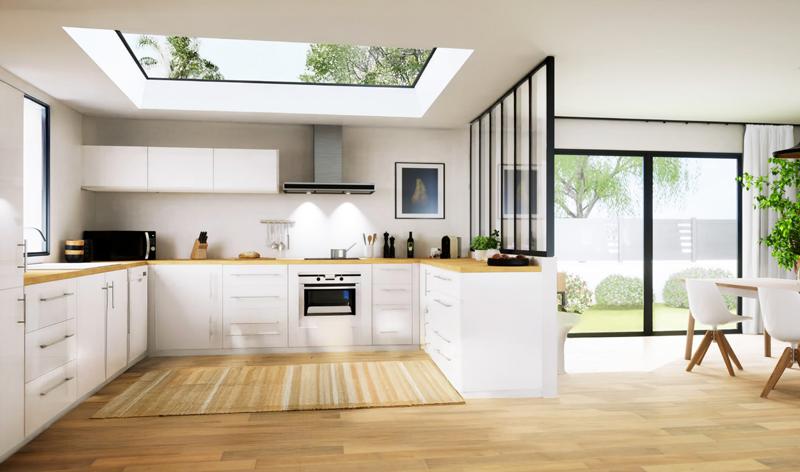
stratus-flat-skylight-in-kitchen

Summary: Premium Acoustic Glazing for Modern Roofs

When upgrading an extension, premium rooflights are engineered to flood your space with natural light while significantly reducing intrusive street noise. By integrating high-performance acoustic glass and robust weather seals, homeowners achieve a quieter, more thermally efficient, and beautifully contemporary living environment.

  • Up to 35dB noise reduction using advanced acoustic glazing techniques.
  • 30% lower profile for a sleek, architectural aesthetic.
  • Rapid 2-piece installation designed for maximum installer efficiency.

Why is Acoustic Insulation Essential for Modern Extensions?

Acoustic insulation in extensions is essential to prevent external environmental sounds, such as traffic and weather, from disrupting your indoor tranquillity. High-quality glazing acts as a physical barrier, absorbing and reflecting soundwaves to maintain a calm, quiet, and comfortable living space all year round.

As urban environments become increasingly congested, the battle against noise pollution is a top priority for architects and homeowners alike. The Chartered Institute of Environmental Health notes that noise is the single largest issue of complaint made to UK local authorities, with over 300,000 complaints recorded annually (CIEH Noise Survey). Without the correct specification, a large glass surface on a flat roof can act like a drum, amplifying rain noise and allowing traffic sounds to penetrate the home.

Upgrading your property with high-performance glass is the most effective way to combat this issue. Standard double glazing often falls short when dealing with low-frequency sounds like heavy goods vehicles or high-frequency aviation noise. To create a truly peaceful sanctuary, you need architectural glazing that has been specifically engineered for optimal sound attenuation.

This is precisely where the Stratus Flat Skylight excels, providing a robust barrier against the elements. By combining premium materials with intelligent engineering, this system ensures that your stylish new kitchen or living area remains a haven of quiet, regardless of what is happening on the street outside.

The Hidden Impact of Environmental Noise

Prolonged exposure to environmental noise is not just an annoyance; it is a documented health concern. The World Health Organization guidelines state that daytime noise levels should not exceed 55 decibels in residential zones to prevent adverse health impacts (WHO Environmental Noise Guidelines). When designing a modern extension, mitigating this invisible threat must be factored into the structural planning.

How Much Street Noise Can Premium Rooflights Actually Block?

Premium overhead glazing can reduce intrusive street noise by up to 35dB when correctly specified. This substantial sound reduction transforms a loud, bustling roadside environment into a quiet, conversational indoor space, effectively blocking out heavy traffic, sirens, and harsh rainfall.

Achieving this level of acoustic insulation requires more than just thick glass. The secret lies in the combination of differing glass pane thicknesses and the specialised gas fill within the cavity. When soundwaves hit a standard, symmetrical double-glazed unit, they can easily pass through; however, asymmetrical panes disrupt the frequency, significantly dampening the noise transmission.

Furthermore, the structural integrity of the frame plays a vital role in preventing sound leakage. The system utilises 5 high-quality seals designed to deliver ultimate weather resistance alongside supreme acoustic blocking. This meticulous attention to detail ensures there are no weak points for noise to seep through into your living space.

The Science Behind Acoustic Glazing

To understand why some systems outperform others, we must look at the technical specifications. The incorporation of a resilient acoustic interlayer acts as a sound-absorbing core, dissipating the vibrational energy of sound waves before they reach the interior. This is particularly effective against the rhythmic drumming of heavy rain hitting the roof skylight.

“Acoustic performance is no longer an optional luxury; it is a core component of modern architectural design. By engineering our skylights to achieve a 35dB noise reduction, we ensure homeowners experience the true comfort of a perfectly quiet, climate-controlled space, regardless of their postcode.” Quote by Dean Ward, Managing Director.

When you invest in a premium Stratus Flat Skylight, you are not just buying glass; you are investing in highly calibrated acoustic engineering. This dedication to technical excellence is why leading installers and architects consistently recommend our products for noise-sensitive urban developments.

Do Skylights for Flat Roofs Compromise Thermal Efficiency?

No, modern skylights for flat roofs do not compromise thermal efficiency. By utilising advanced thermal breaks and high-performance Low-E glass, premium units achieve U-Values as low as 1.0, retaining indoor heat in winter while reflecting excessive summer solar gain.

Historically, adding large areas of glass to a roof was synonymous with heat loss and condensation issues. However, contemporary architectural glazing has completely revolutionised thermal performance. The integration of argon-filled cavities and warm-edge spacer bars ensures that the internal pane remains at an optimum temperature.

This impressive thermal retention translates directly into tangible benefits for the homeowner. By reducing the reliance on artificial heating and cooling, property owners can enjoy significantly lower energy bills and a reduced carbon footprint. It is the perfect marriage of sustainable design and luxury living.

Blocking Heat Loss alongside Noise

The same structural components that block out the chaotic sounds of the street also work tirelessly to seal in warmth. The exceptional BS 6375 weather resistance rating guarantees that drafts and moisture are completely eliminated, preventing any cold bridging across the frame.

To visualise the dual benefits of these technical features, consider the following structural breakdown:

  • Low-E double glazing: Reflects internal heat back into the room while simultaneously reflecting harsh UV rays away.
  • Asymmetrical glass panes: Disrupts sound wave frequencies, offering up to 35dB noise reduction.
  • 5 high-quality seals: Eliminates wind whistling, water ingress, and cold draughts.
  • Polyamide thermal breaks: Prevents the transfer of cold from the external aluminium frame to the internal environment.

This comprehensive approach to weatherproofing and soundproofing means your extension remains perfectly balanced. You get all the aesthetic benefits of a vast open sky without any of the traditional drawbacks.

How Does the Aesthetic of Flat Roof Lights Enhance Contemporary Homes?

Flat roof lights enhance contemporary homes by offering a flush, unobtrusive profile that maximises natural light without dominating the roofline. Finished in minimalist aluminium and available in bespoke RAL colours, they provide a sleek, architectural focal point for any modern extension.

Design-led homeowners demand products that look as good as they perform. The 30% lower profile of our flagship model delivers that highly sought-after minimalist appearance. Unlike clunky, traditional lanterns, this streamlined design sits elegantly against the existing architecture.

The frame itself is manufactured from premium aluminium, ensuring maximum strength with minimum sightlines. This means the glass-to-frame ratio is vastly improved, allowing an uninterrupted view of the sky above. It is a stunning visual upgrade that immediately modernises any living space.

Minimalist Design Meets Superior Engineering

Achieving such a delicate, unobtrusive aesthetic requires incredibly robust engineering behind the scenes. Because the structural integrity of the frame is so strong, it can support massive, single panes of glass without the need for unsightly joining bars.

Whether you are matching existing bi-fold doors or creating a stark, contrasting feature, the ability to specify bespoke finishes is crucial. The powder-coated external frames are not only visually striking but also highly resistant to fading and scratching, ensuring the product looks brand new for decades.

This synergy of form and function perfectly encapsulates the ethos of the Stratus Flat Skylight brand. We believe that you should never have to sacrifice architectural beauty to achieve top-tier acoustic and thermal performance.

What is the Best Way to Install a Roof Skylight Quickly?

The fastest and safest way to install a roof skylight is by utilising a rapid 2-piece installation system. This method allows tradespeople to securely fix the lightweight aluminium frame to the roof first, before effortlessly clicking the heavy glazing unit into place.

For installers, time on site is money, and awkward, heavy lifting is a significant safety hazard. Traditional systems often require the entire, fully-glazed unit to be manhandled onto the roof at once. This not only increases the risk of damage but also requires more manpower and specialist lifting equipment.

By separating the frame from the glass, our rapid 2-piece installation completely streamlines the fitting programme. The unglazed frame is incredibly light and easy to manoeuvre, allowing for precise alignment and securing before the heavy lifting begins. If you are a professional fitter looking to optimise your workflow, consider opening a Trade Account to access these perfectly engineered systems.

Engineered for the Installer

Furthermore, this intelligent design allows for effortless glass replacement in the future. Should the glazing ever become damaged, the pane can be cleanly decoupled and swapped out without disturbing the fixed frame or the internal plasterwork.

  • Zero plaster disruption during glass maintenance or replacement.
  • Reduced manual handling risks for your entire fitting team.
  • Faster watertightness, allowing internal trades to commence their work sooner.

This installer-first approach is why the trade so highly rates Stratus products. We have listened to the challenges faced on busy building sites and engineered a solution that drastically cuts down on installation headaches.

Why Choose Made-to-Measure UK Manufacturing?

Opting for made-to-measure UK manufacturing guarantees precision engineering tailored exactly to your property’s dimensions. It ensures rapid delivery times, stricter quality control, and the peace of mind that comes with a robust, locally supported 10-year guarantee against the elements.

Every single project is unique, and off-the-shelf sizes often lead to awkward structural compromises or unsightly infill panels. By specifying a made-to-measure unit, which can be crafted up to an impressive 1500mm x 2792mm, you ensure a flawless, custom fit every single time.

Because our products are meticulously crafted right here in the UK, we can maintain the highest possible quality assurance standards. From the meticulous application of the 5 high-quality seals to the final polishing of the Low-E glass, every step is rigorously checked before the product leaves the factory.

This unwavering commitment to excellence is why we confidently offer a 10-year guarantee on our skylights. Whether you are a homeowner seeking the ultimate quiet sanctuary or an installer demanding flawless reliability, you can trust in our superior British engineering.

Enhance your home with a sleek, modern flat skylight. Call our experts on 0800 046 3924 or contact our team to discuss your project and get a quote.